 Writer:
のんてり
 Translator:
TABIFUN AI
Have you ever imagined what Tokyo was like thousands of years ago?
At that time the coastline lay farther inland than it does today, and people lived while enjoying the blessings of the sea.
The shell mound, a trace of those people's lives, remains in the city near a station as the "Ōmori Shell Mound Site Garden "(大森貝塚遺跡庭園).
Especially recommended as a hidden‑gem spot for anyone interested in history or archaeology.
Access to the Ōmori Shell Mound Site Garden
The nearest station is JR Ōmori Station. It lies between Tokyo and Yokohama and can be reached from Haneda Airport in just a little over 20 minutes by train transfers.
After exiting the west exit of Ōmori Station, you will see the Tenso Shrine (天祖神社) surrounded by trees on a small hill right in front of you. The area was a scenic spot depicted in ukiyo‑e during the Edo period and still retains a folksy atmosphere today.
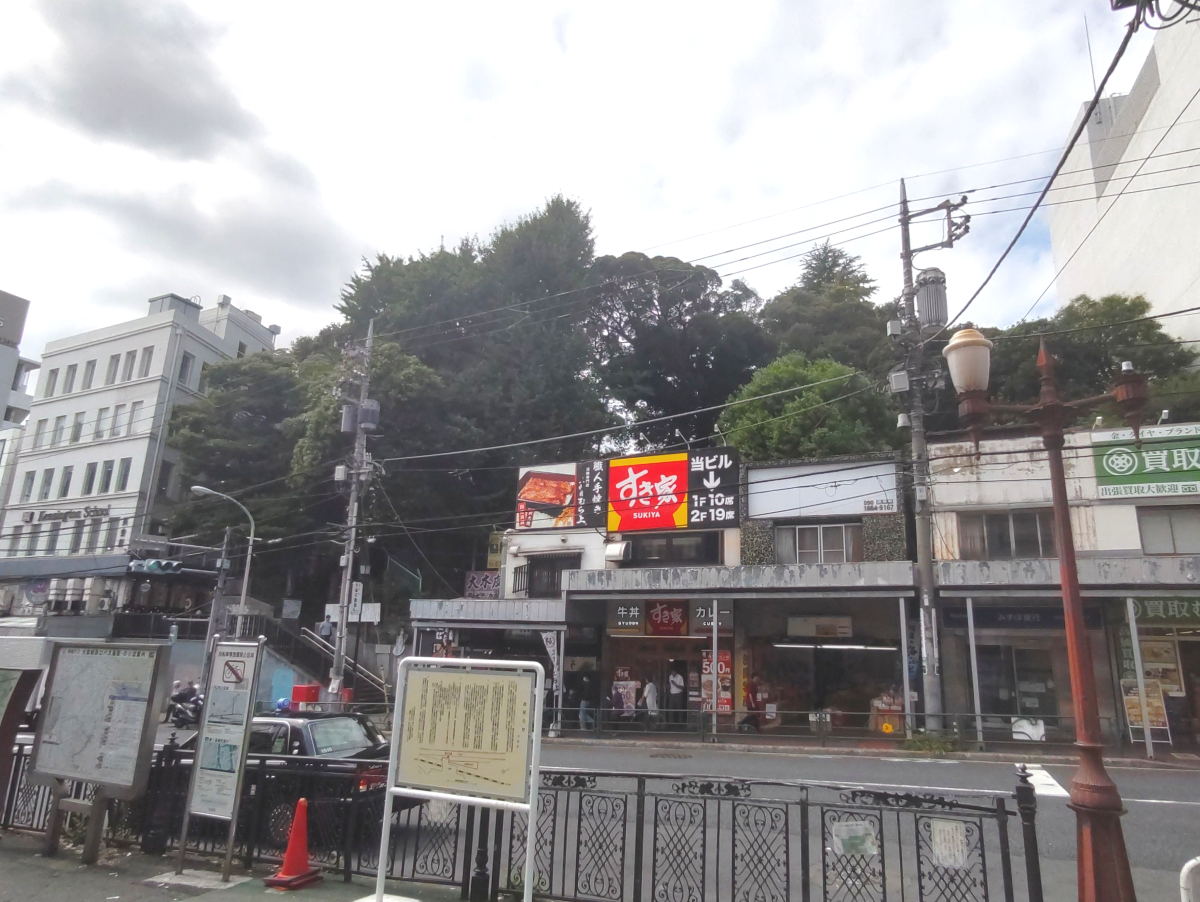
First, proceed along the main street keeping it on your right.
After about 500 m you’ll reach a spot you’ll definitely want to stop at before heading to your destination.
The Two “Ōmori Shell Mound Monuments”
The Ōmori Shell Mound was discovered in 1877 by Dr. Edward S. Morse, an American, from inside a train.
Because the Ōmori Shell Mound was Japan’s first scholarly excavation, it is called the birthplace of Japanese archaeology. Shells, animal bones and pottery were recovered, showing that it is a Jōmon‑period shell mound dating roughly 3,000–4,000 years ago.
*The Jōmon period is a Japanese historical era said to have lasted more than 10 000 years, beginning around 14 000 BC.
The records at the time of discovery did not indicate the exact location.
Consequently, about half a century before the Ōmori Shell Mound Site Garden was established, a monument was erected at the wrong spot due to the inaccurate records; it remains today as the first monument.
First, let’s go see the first monument.
The landmark is this “shell relief”.
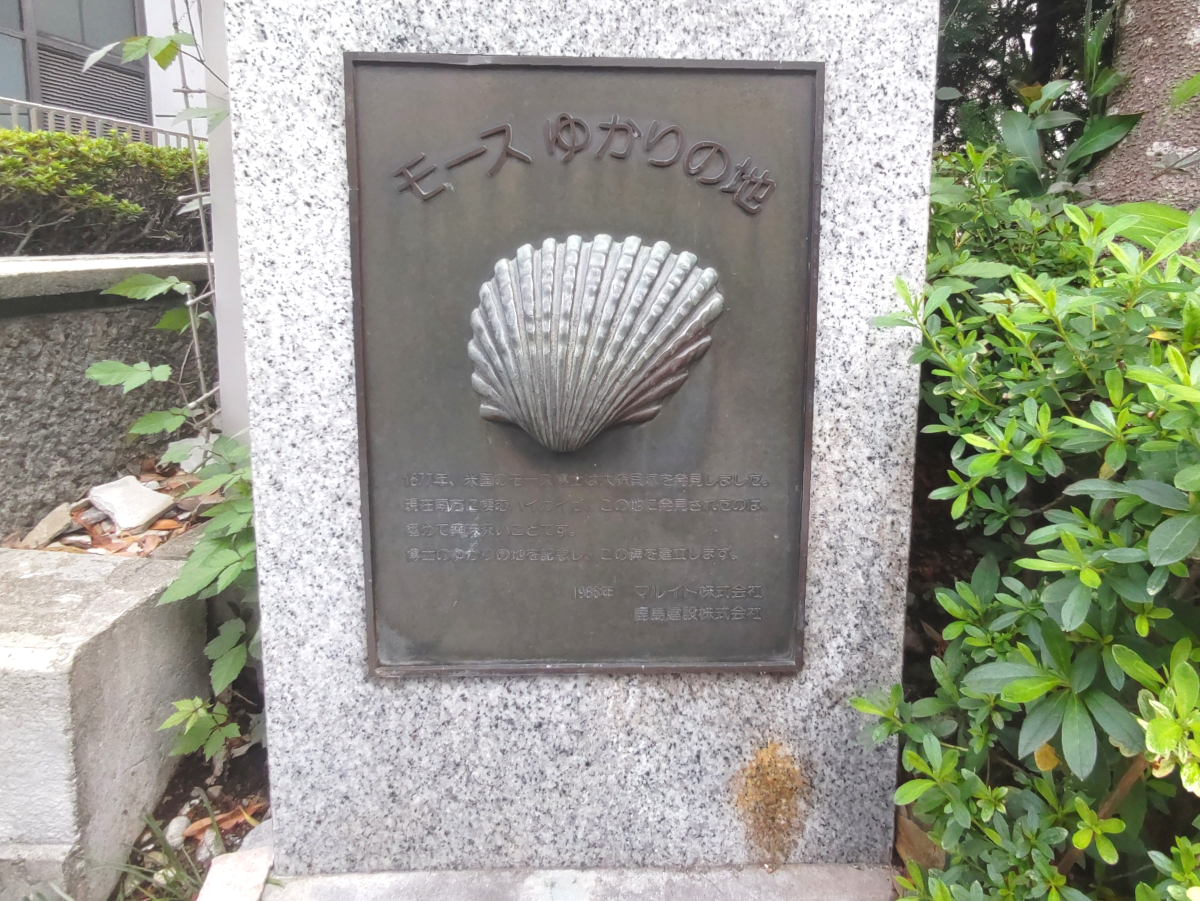
Immediately to the left, the passage has tiles modeled after Jōmon pottery recovered from the shell mound.
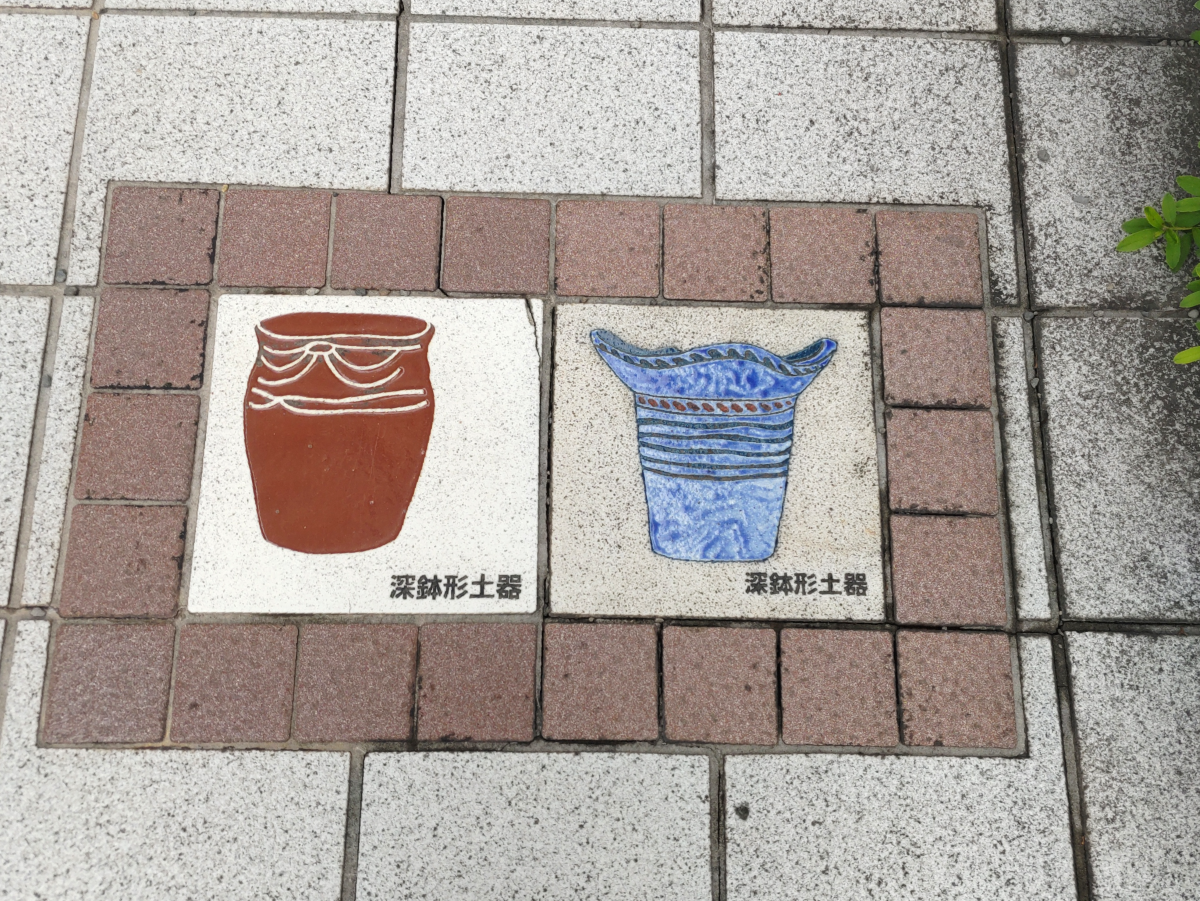
Proceed between the buildings beyond these tiles.
Then, when you go down the stairs, you’ll see the railway tracks ahead.
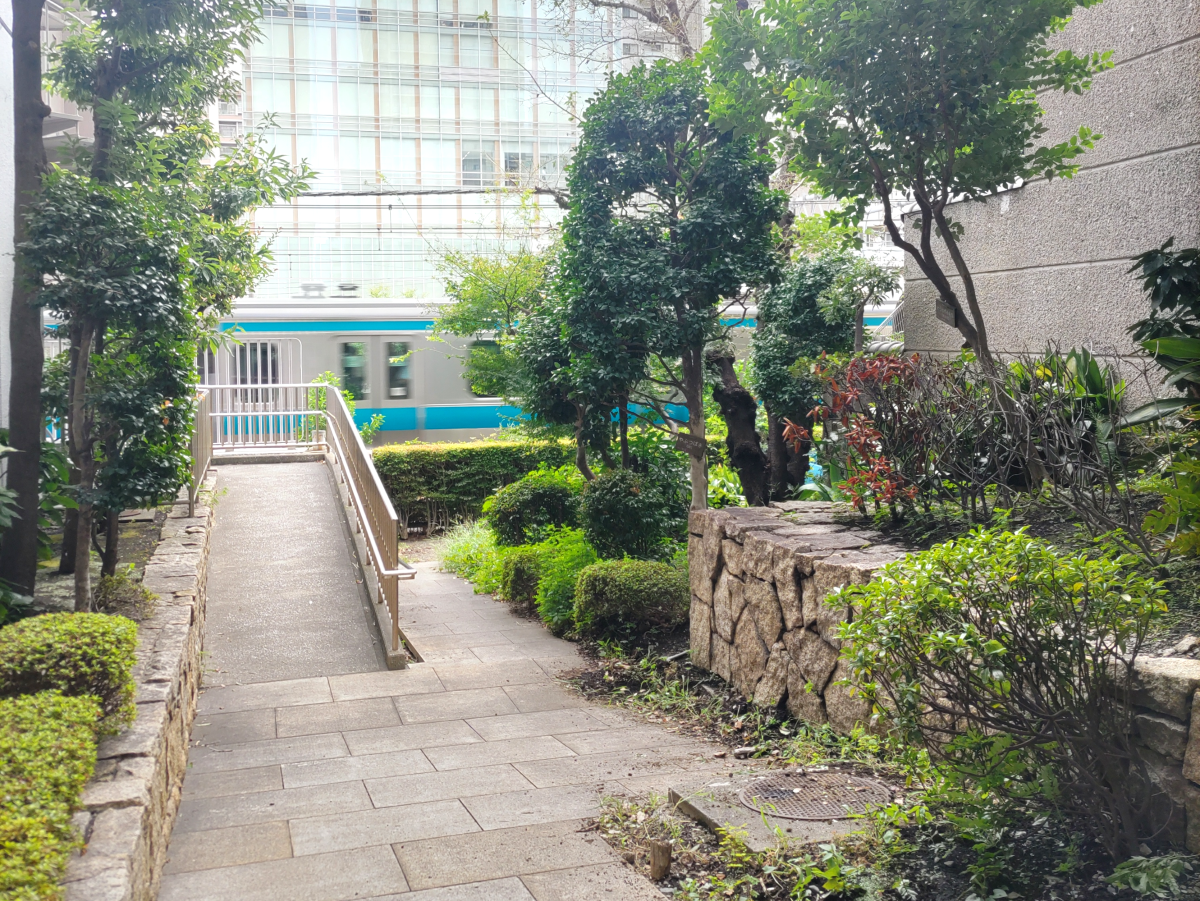
In a narrow space beside the tracks is the first monument.
Although it was erected due to an error in the records, it still stands proudly today.
Finally, the Ōmori Shell Mound Site Garden
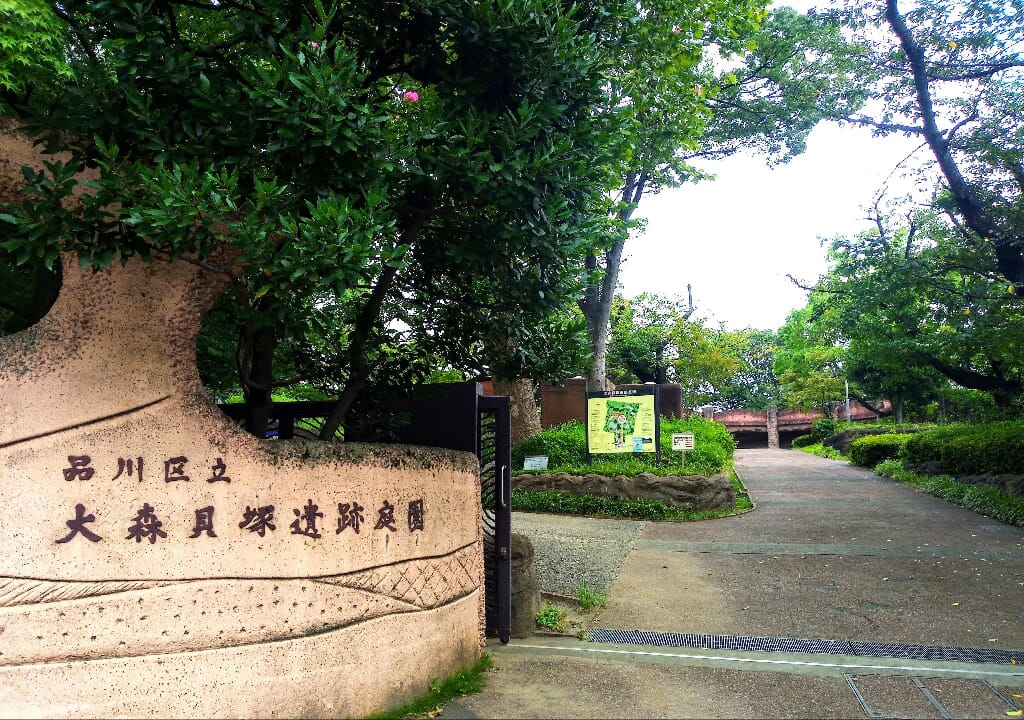
Returning to the main avenue and walking another 300 m, you’ll arrive at the Ōmori Shell Mound Site Garden, marked by a large pottery piece. This is the spot where the Jōmon‑period shell mound was discovered.
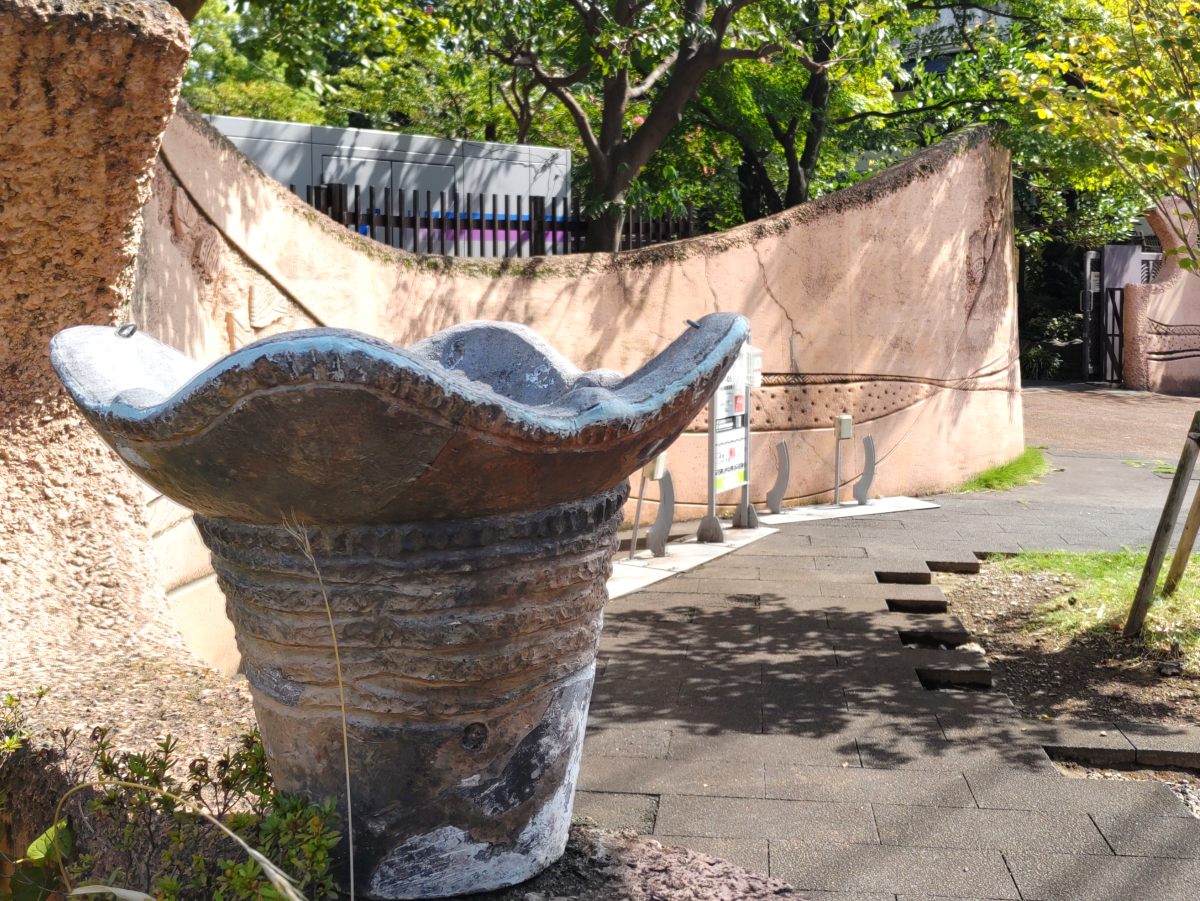
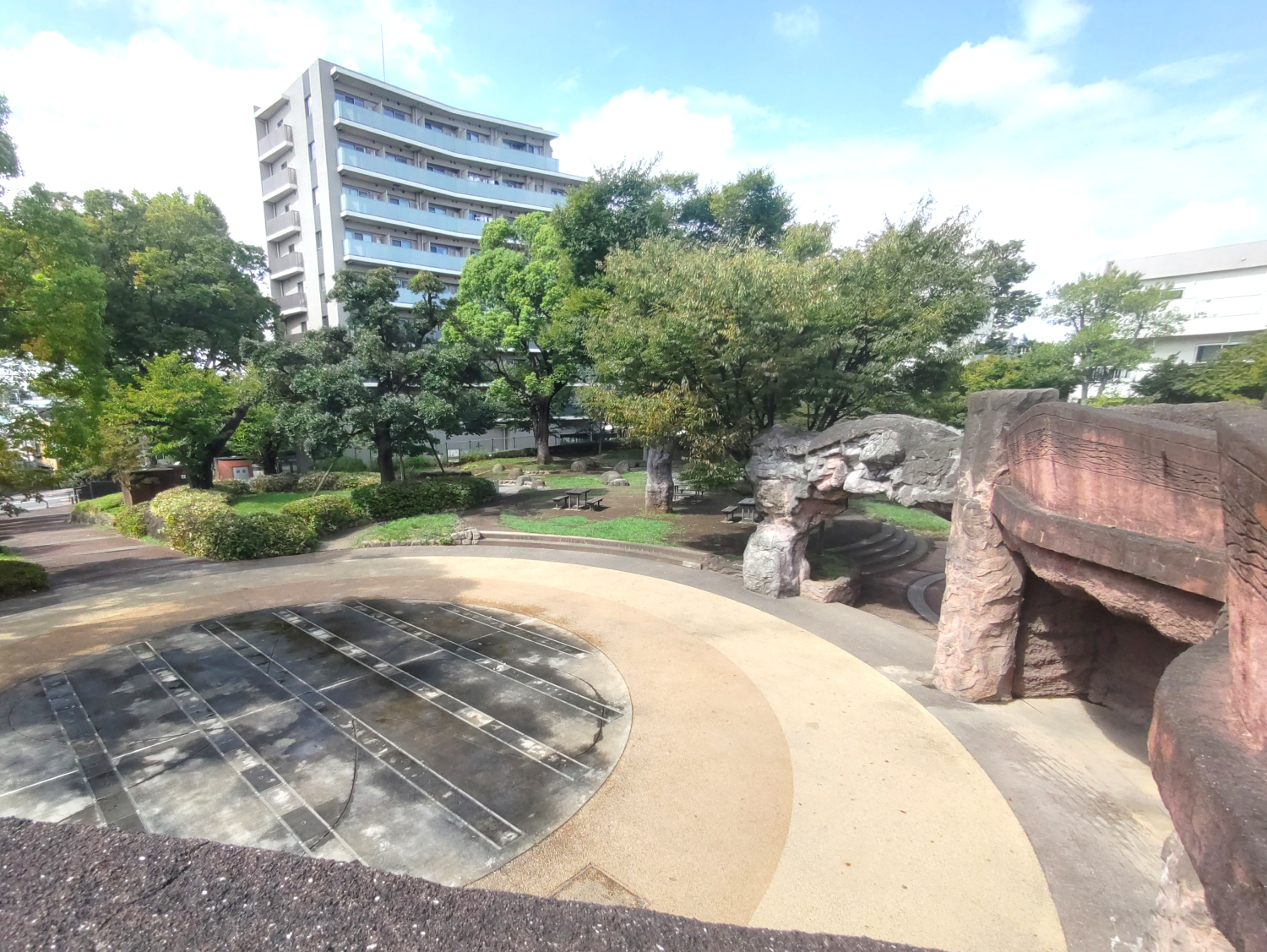
The garden’s design is unified with a Jōmon‑period theme.
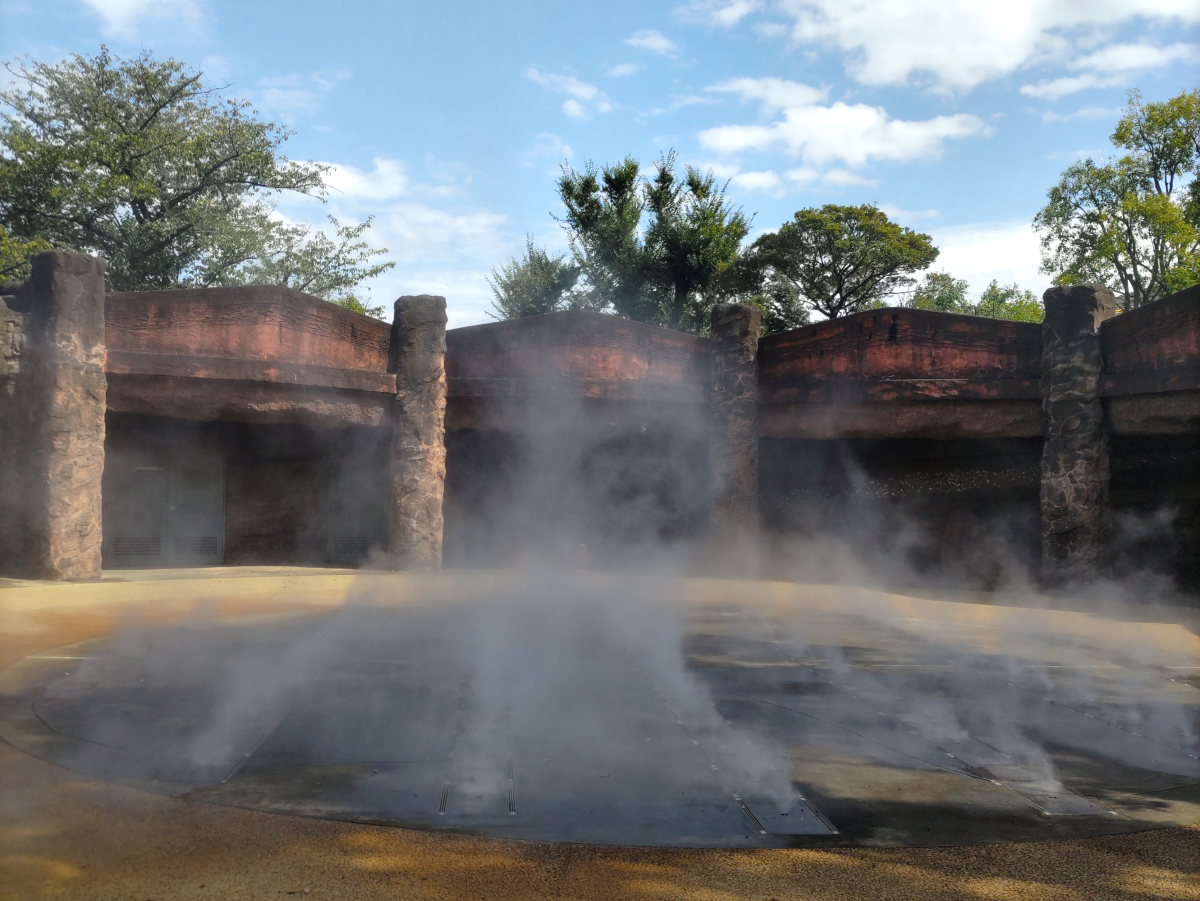
At the garden’s centre stands the “Strata Corridor”, inspired by Jōmon pottery and geological layers.
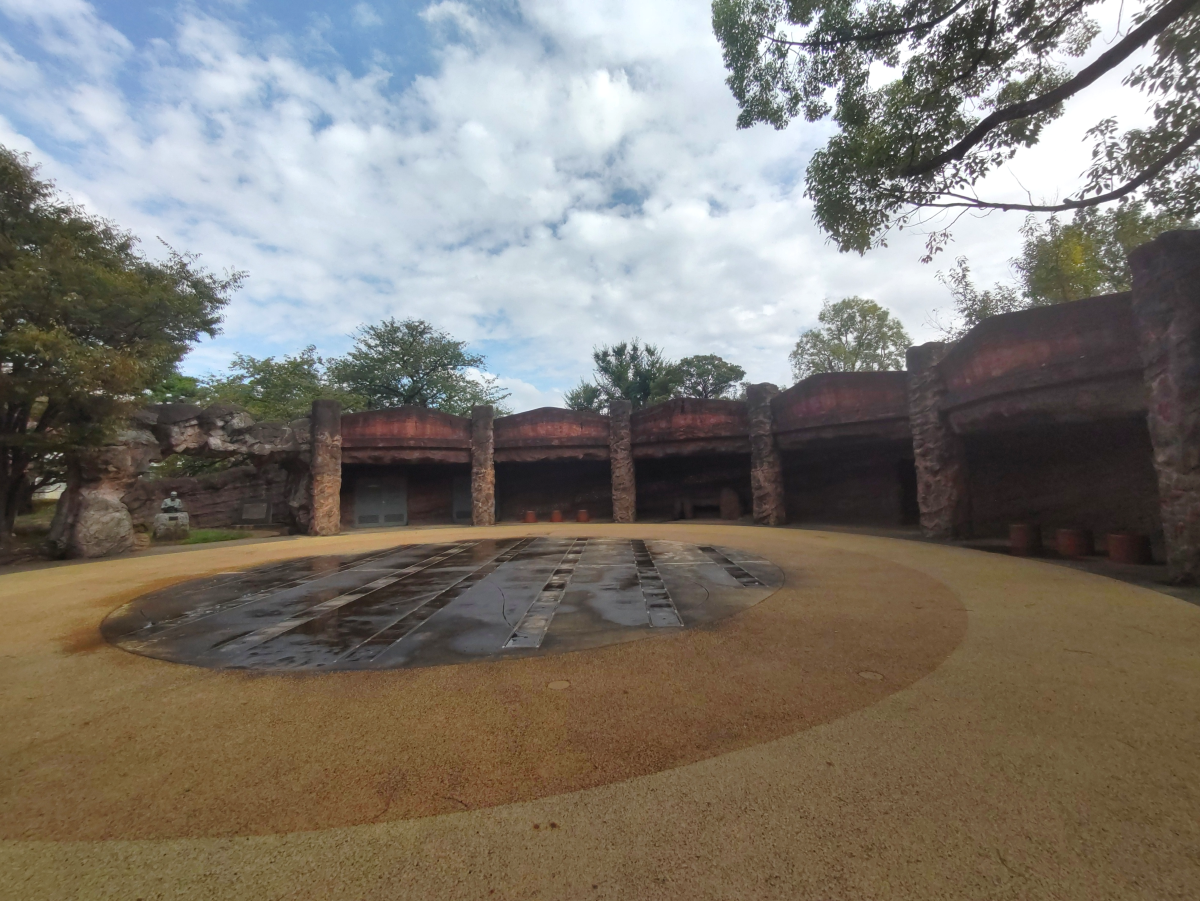
Occasionally, mist erupts, creating a fantastical atmosphere!
Views from the Monument and the Corridor
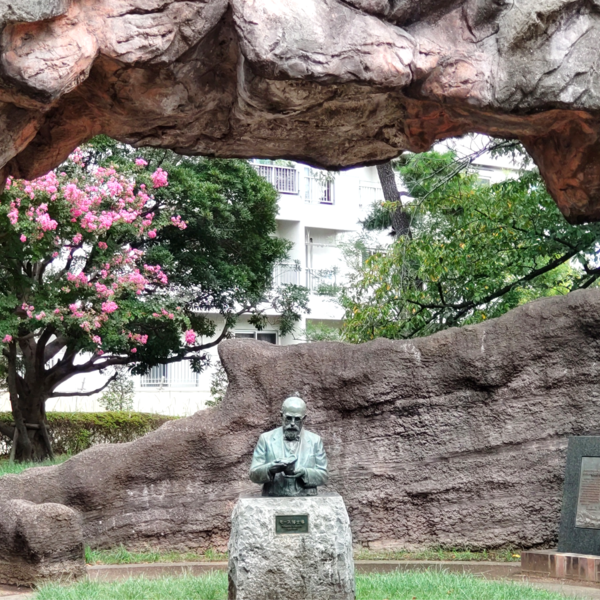
Next to the corridor are Dr. Edward S. Morse, who discovered the shell mound, and the second monument.
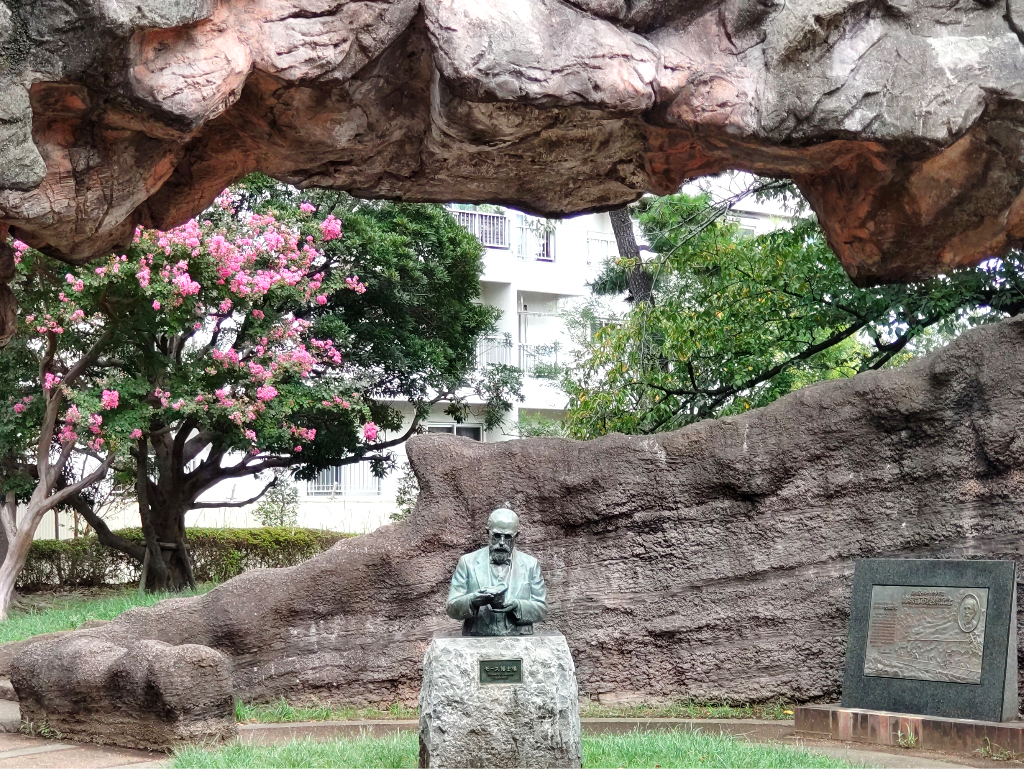
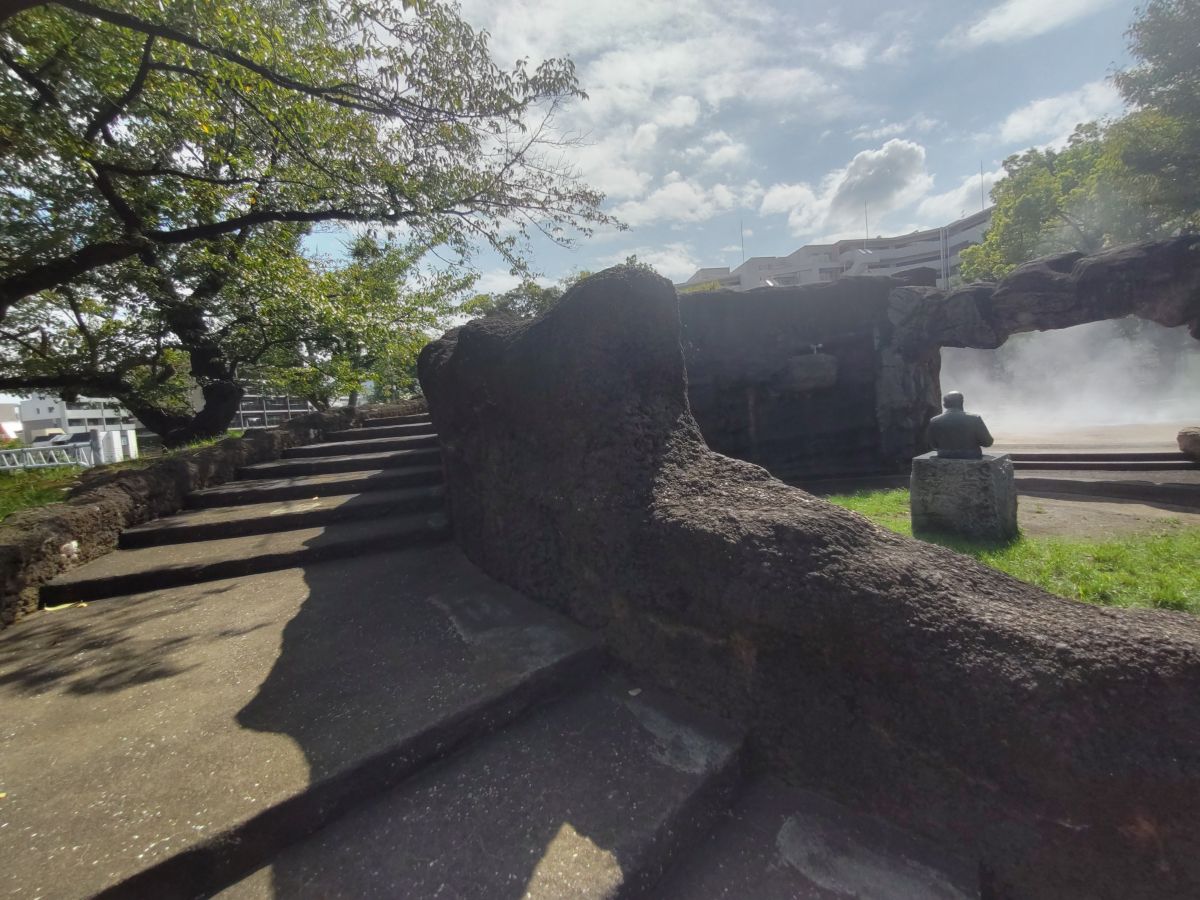
You can ascend to the upper part of the “Strata Corridor” from behind Dr. Morse.
The upper part of the corridor is a grassy plaza.
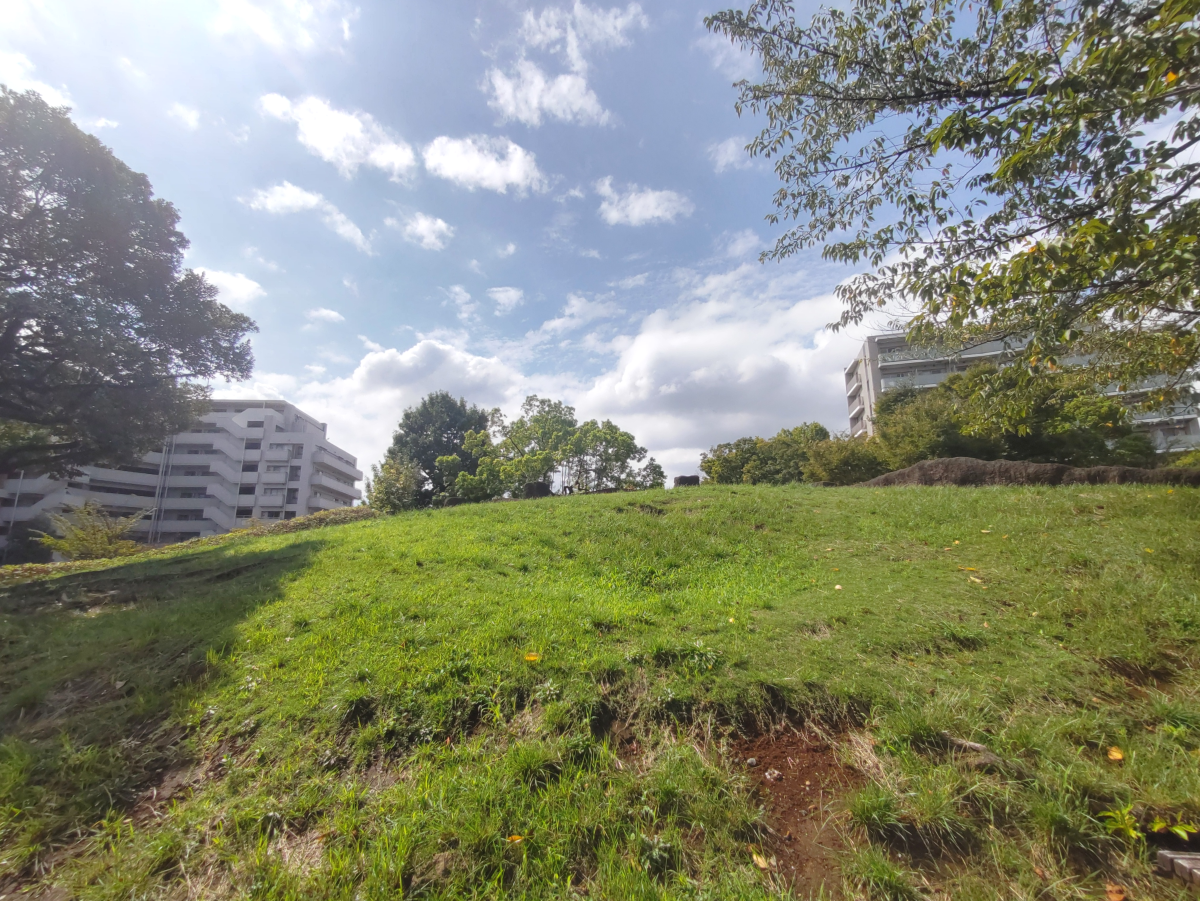
From the top of the corridor you can overlook the entire garden.
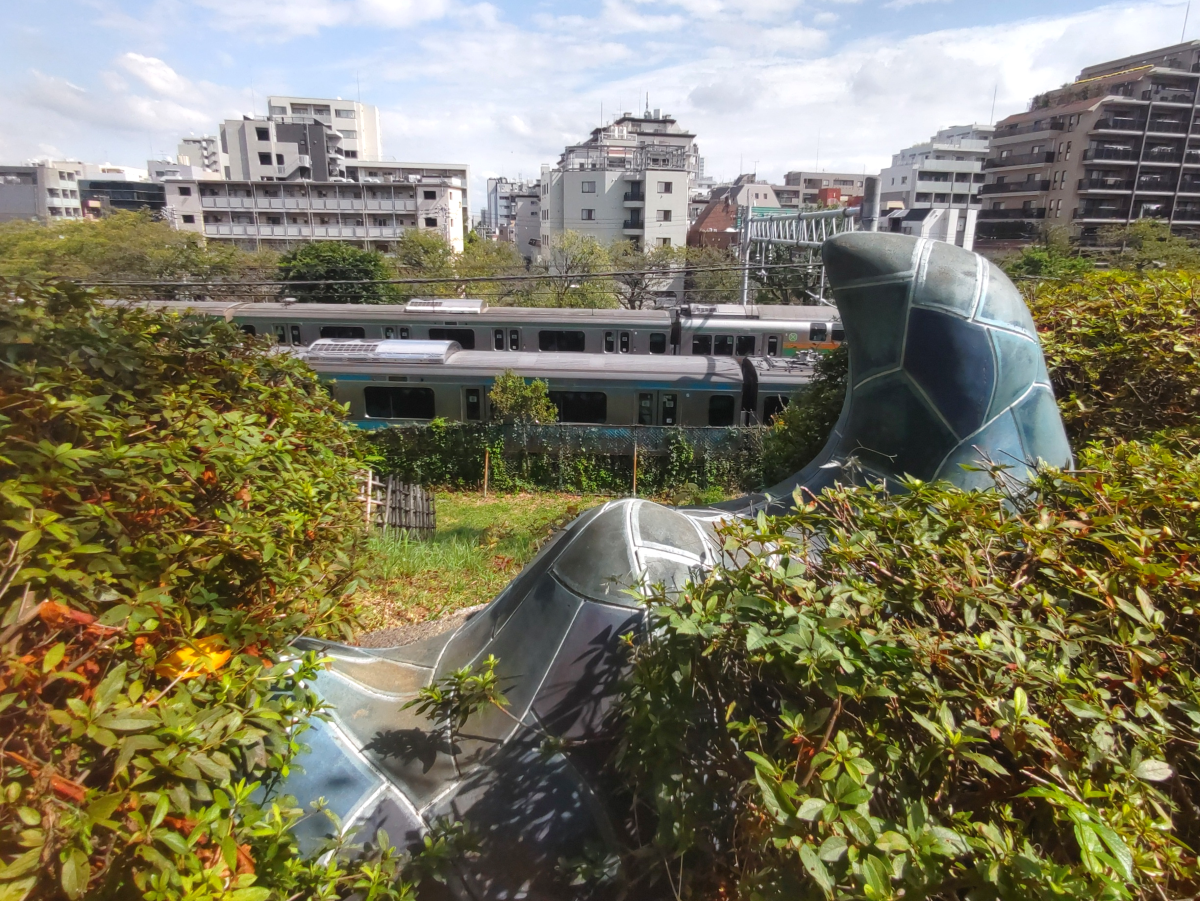
On the opposite side, the tracks are close by. From the train windows passing nearby, it’s easy to understand how this shell mound was discovered.
Seeing the Shell Mound
The shell mound contained not only shells but also animal bones and discarded pottery; in other words, it was a “dump site” that now serves as valuable evidence of daily life at the time.
You can view this inside the garden’s “Shell Mound Capsule”.
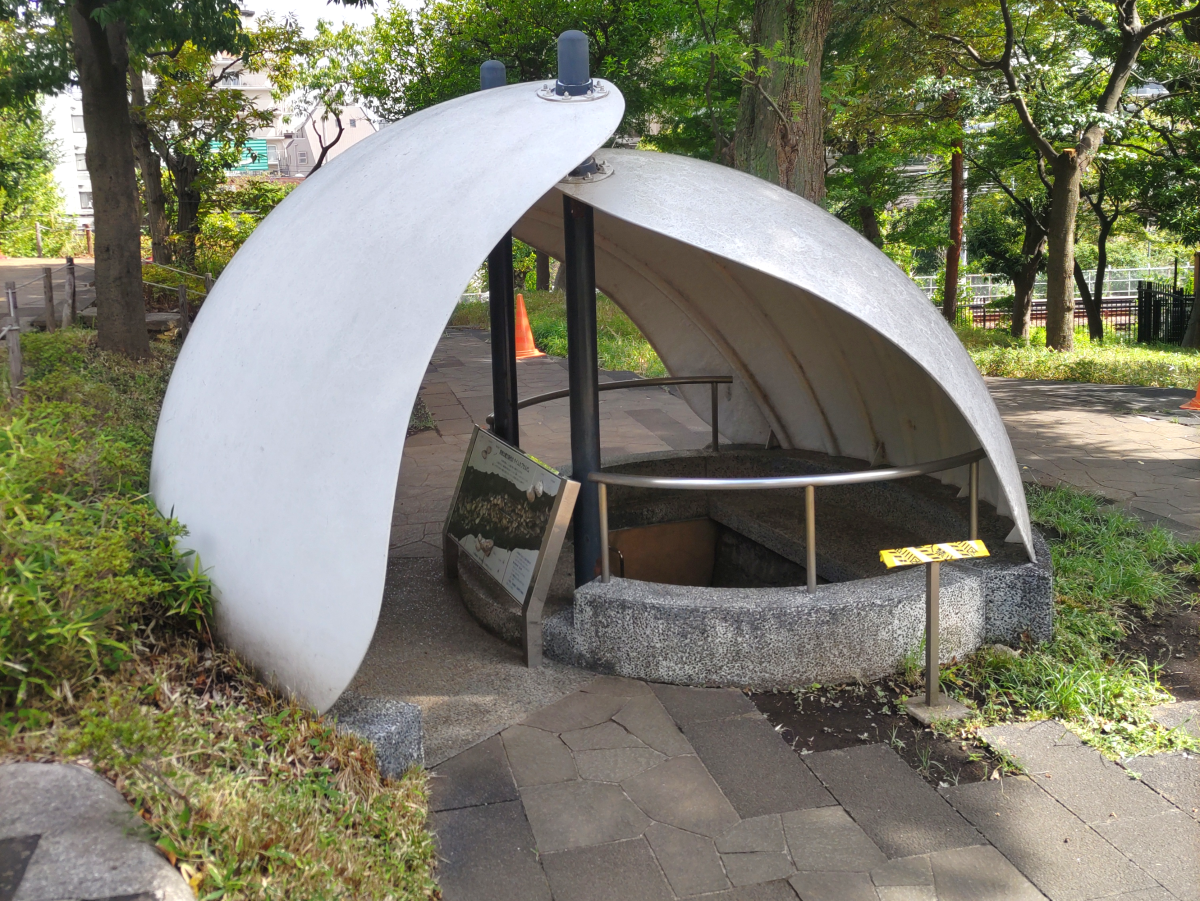
The explanatory board tells you about the various types of shells that were found.
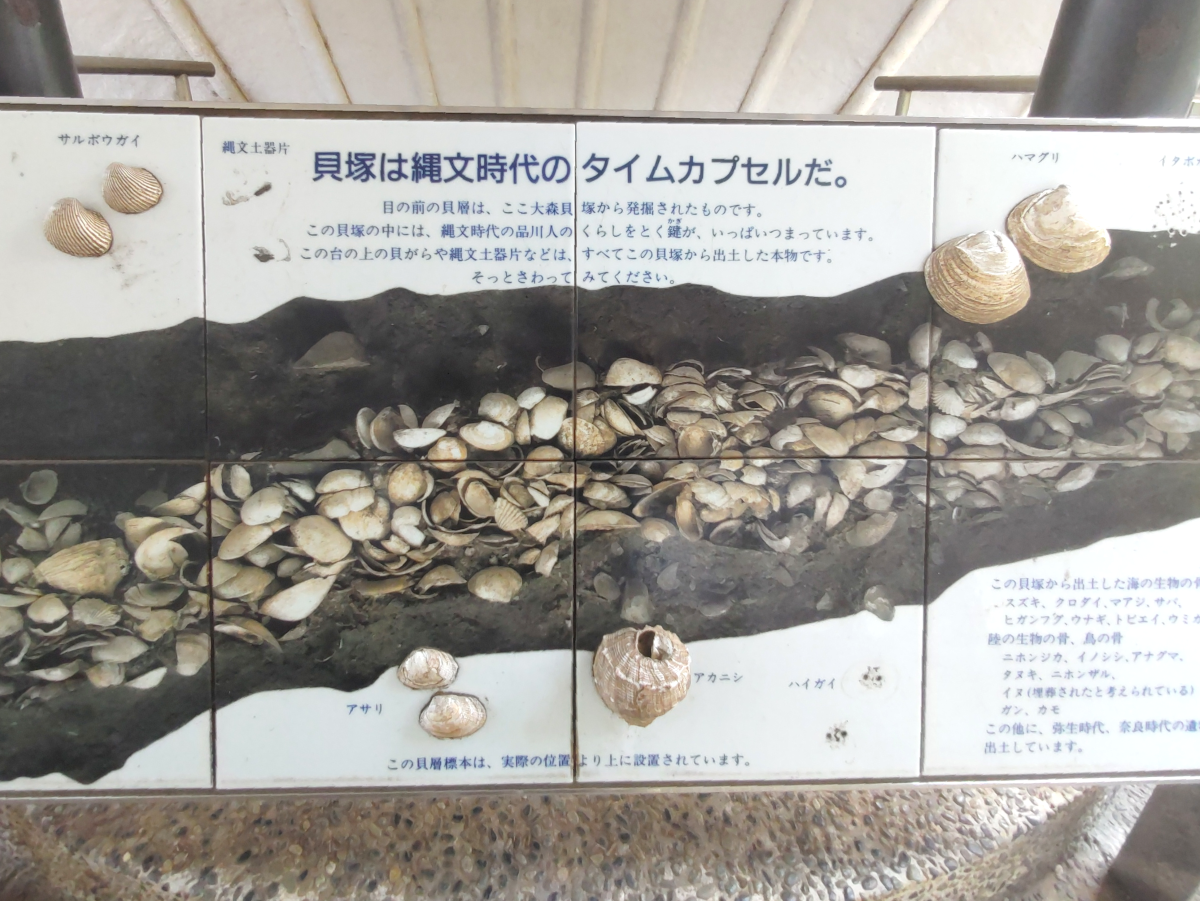
The shell mound preserved underground displays shells and animal bones.
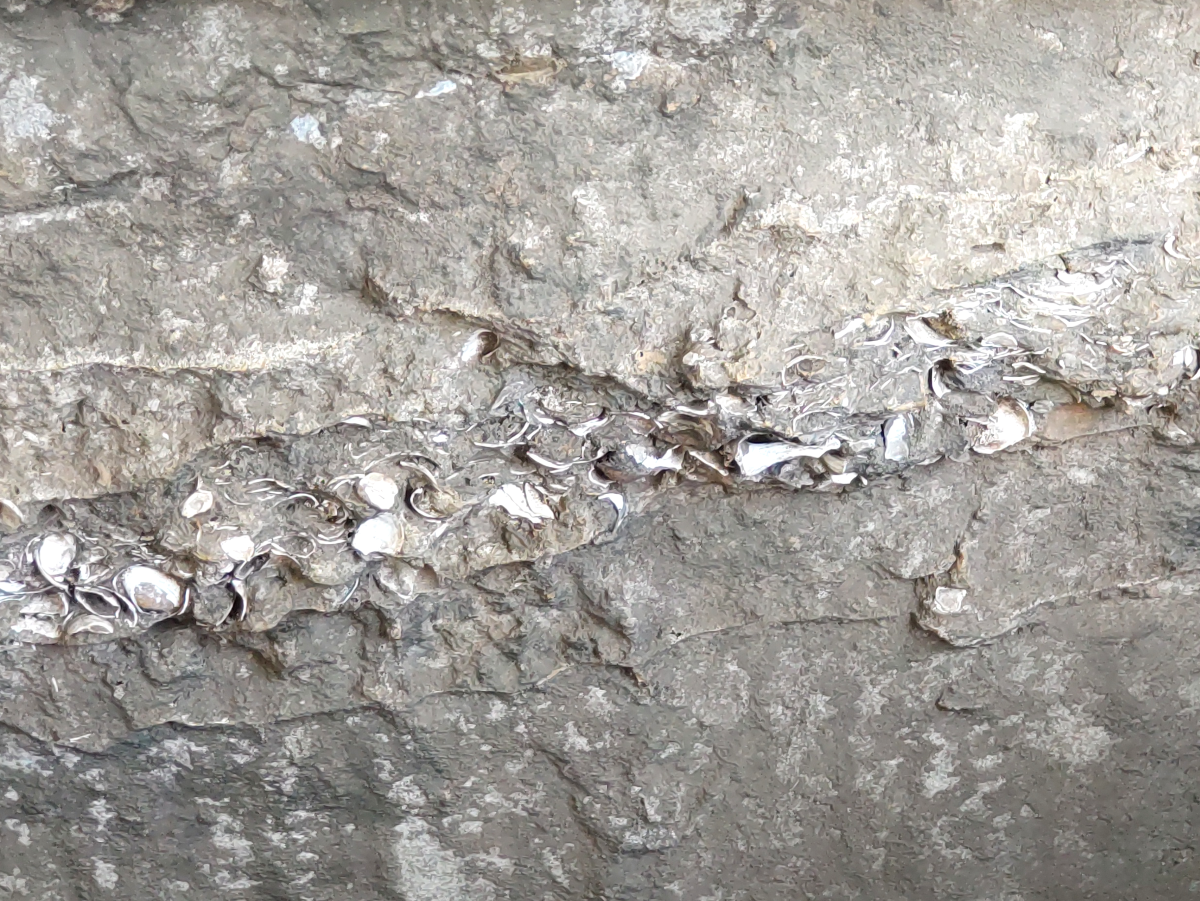
Learning About the Jōmon Period
Scattered throughout the garden are explanatory boards about this shell mound, featuring reconstructions of the site, the recovered pottery, and information on Dr. Morse.
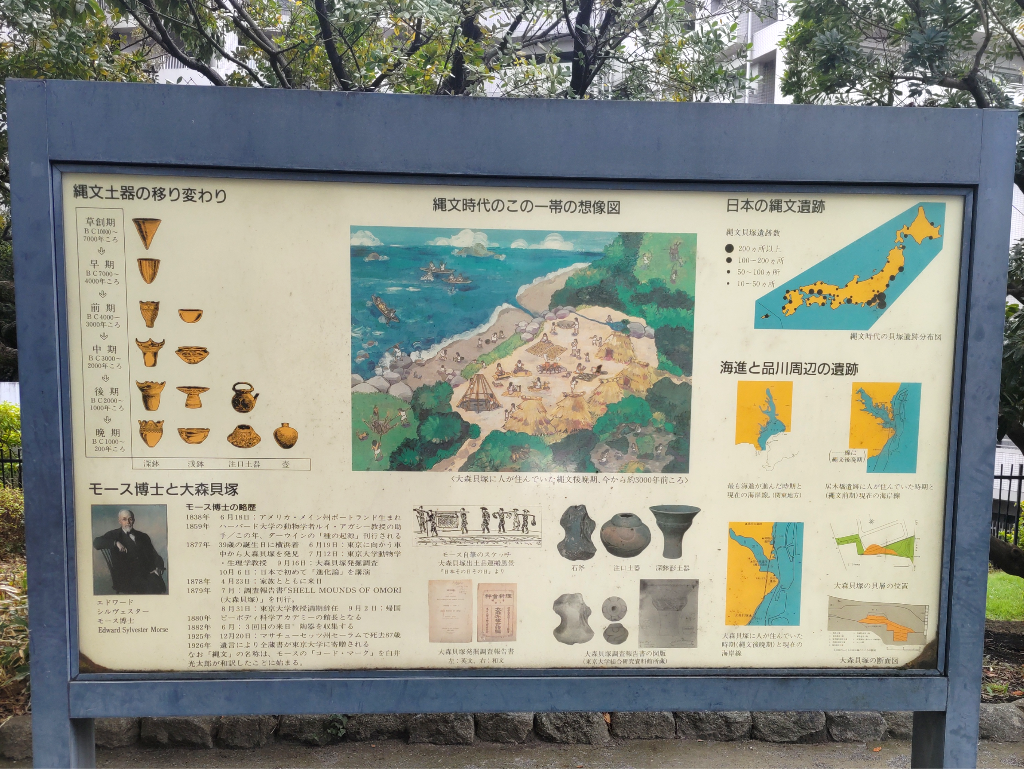
This shows how Jōmon pottery was made.
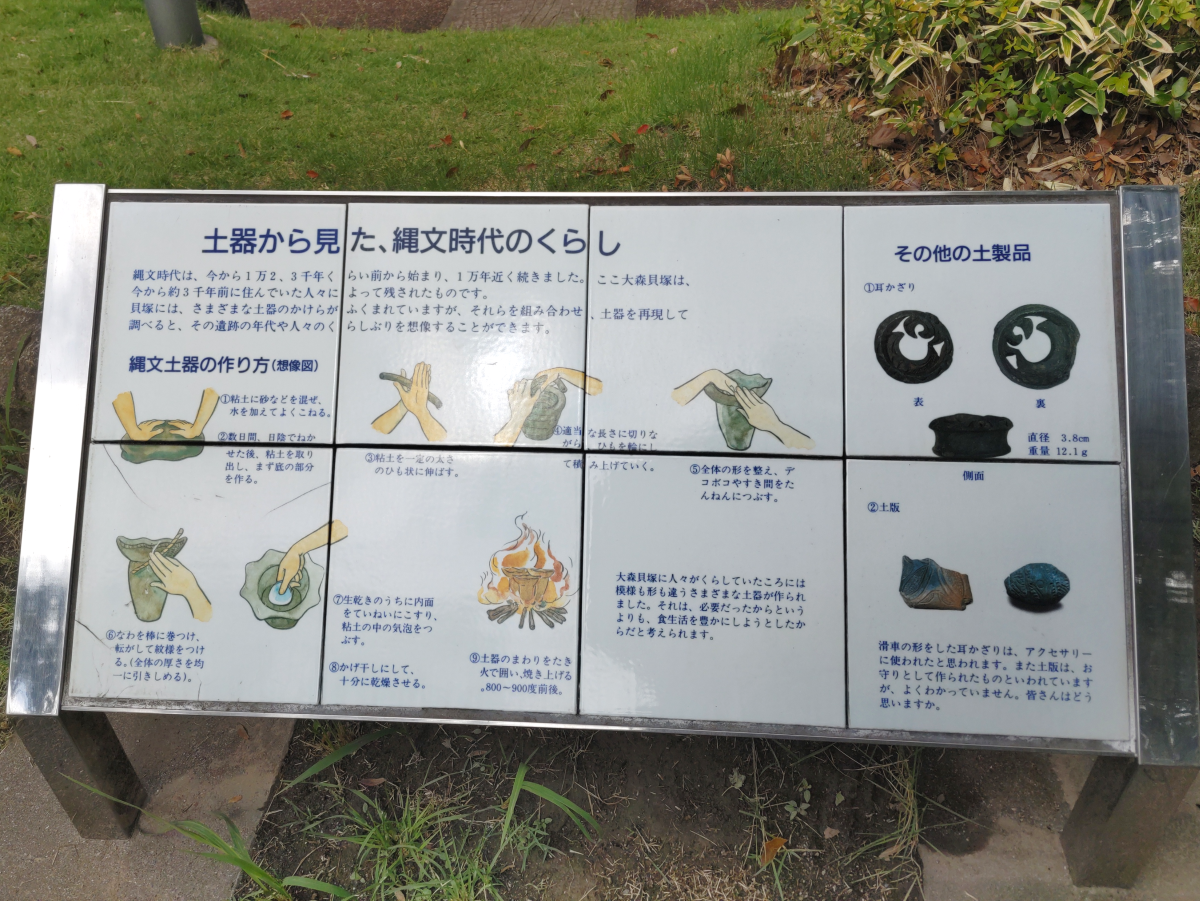
The restrooms are also designed with a Jōmon theme.
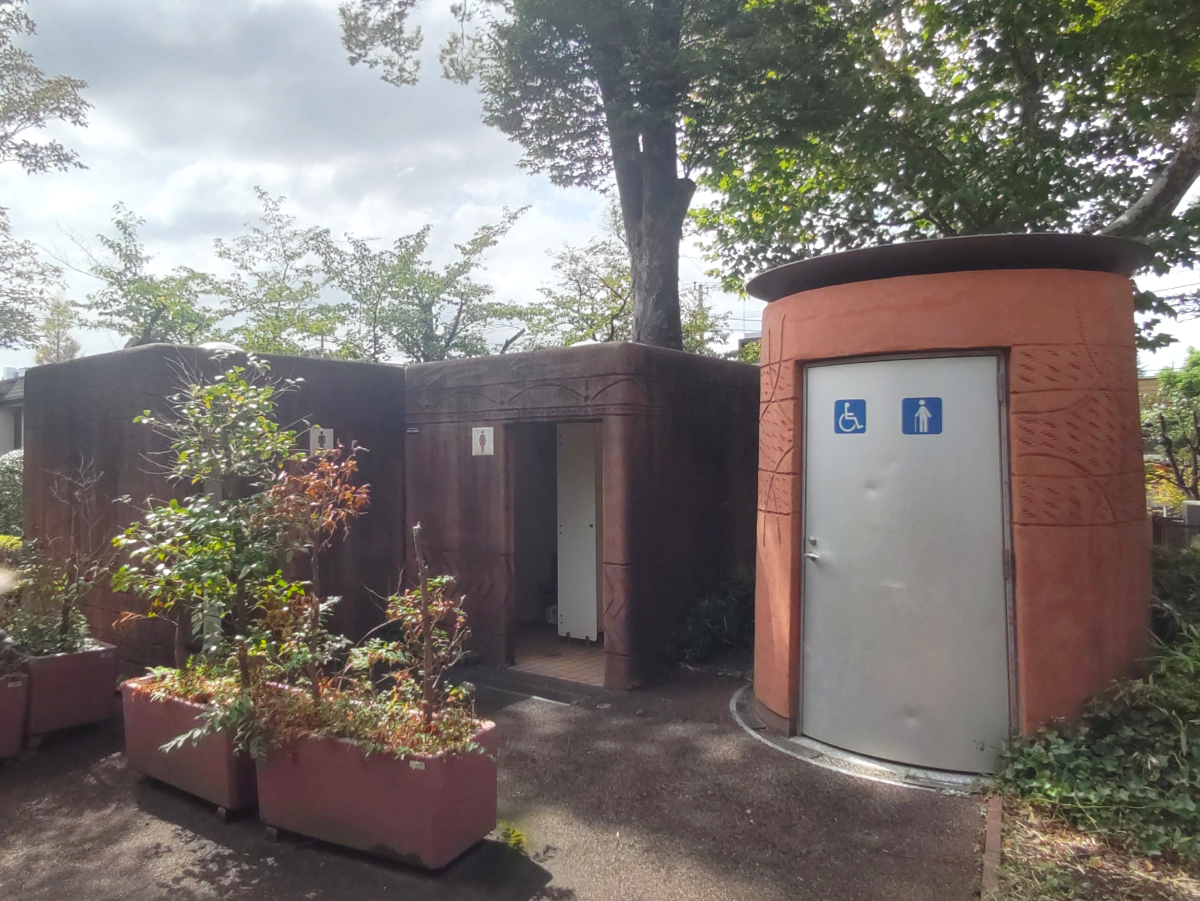
The Ōmori Shell Mound Site Garden is a small theme park of the Jōmon period.
Take a leisurely stroll through the spacious garden and reflect on the lives of ancient peoples.
Ōtsuka Shell Mound Madeleines
The pastries called Madeleines, inspired by the Ōmori Shell Mound, are sold at “Patisserie Petit Eden”.
From the Ōmori Shell Mound Site Garden, return to Ōmori Station and the shop is about 500 m away.
Search the address and follow a map to get there.
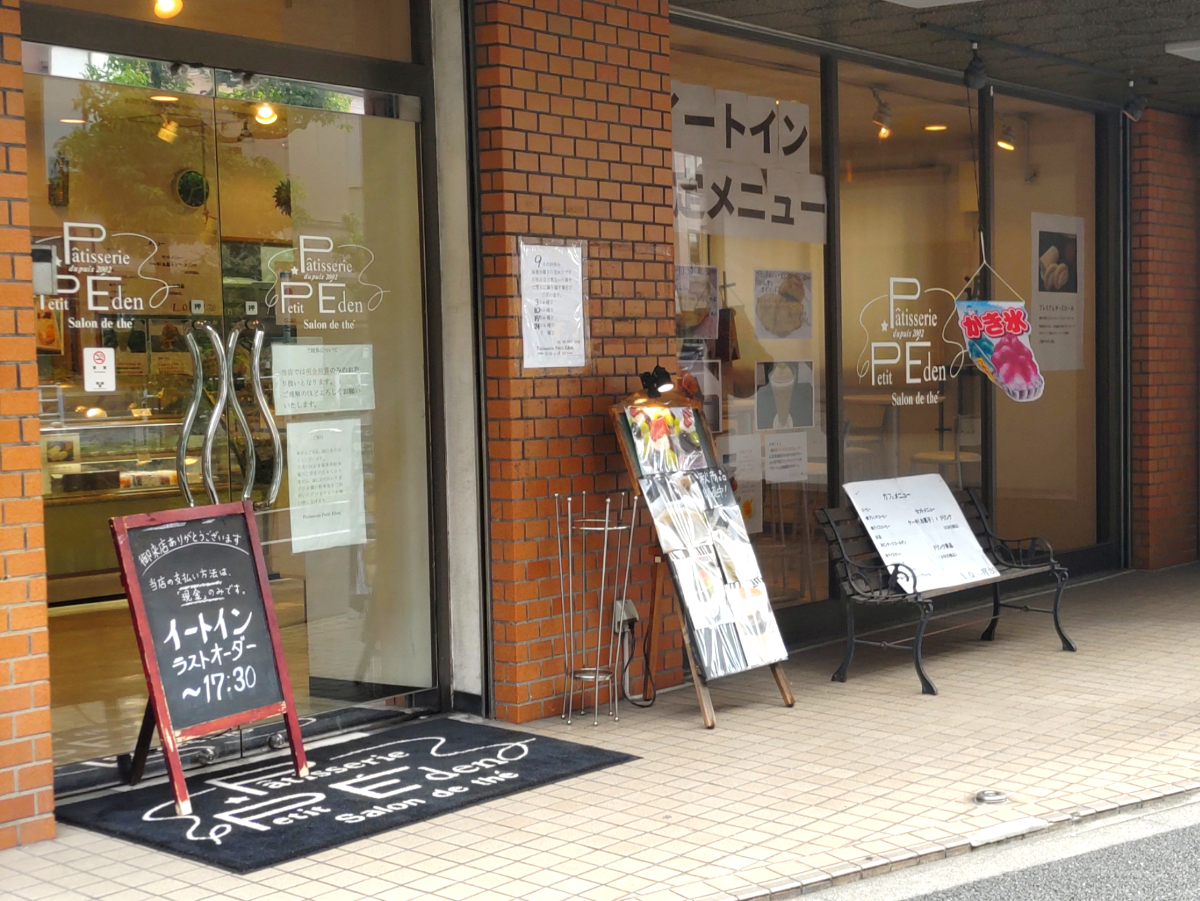
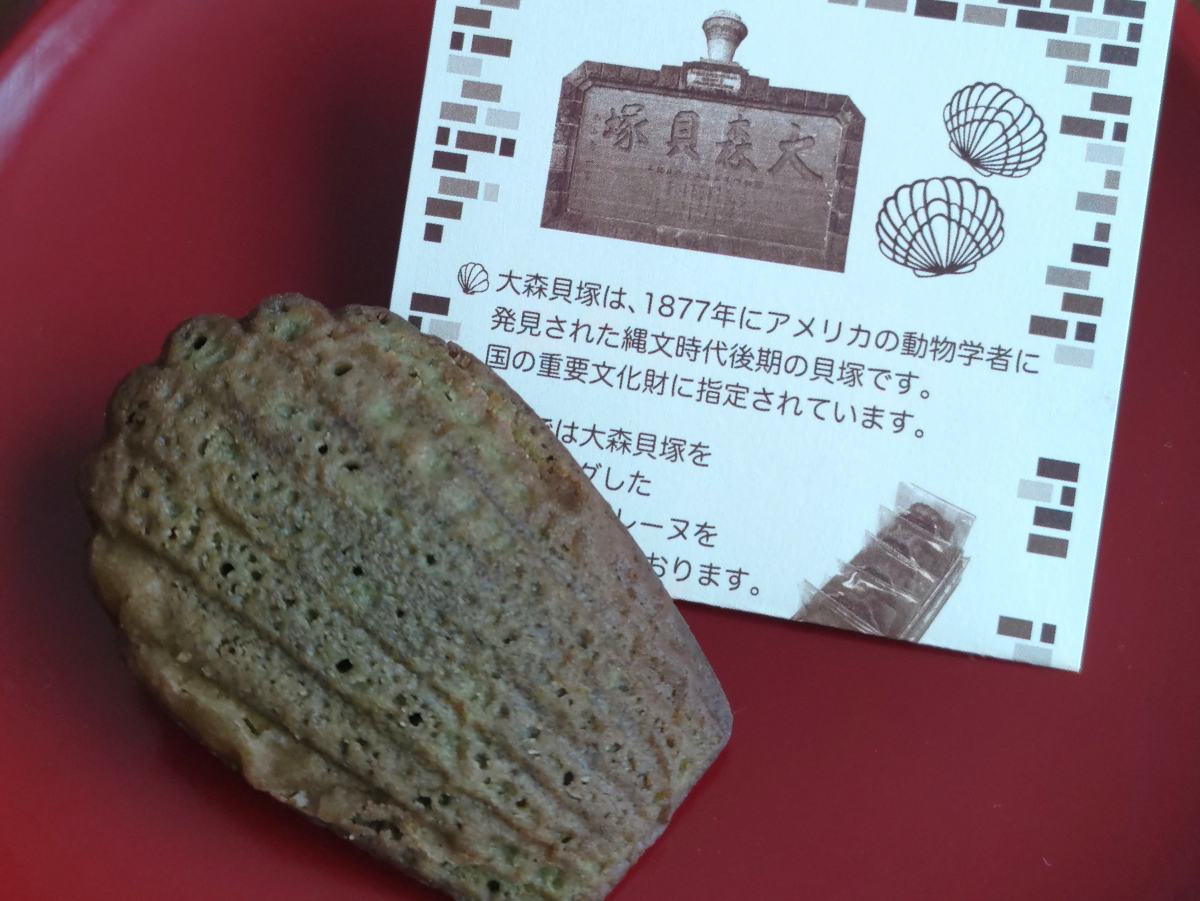
The shell‑inspired Madeleines come in five flavours—pumpkin, black sesame, matcha, brown sugar and honey—priced at ¥281 each (tax included).
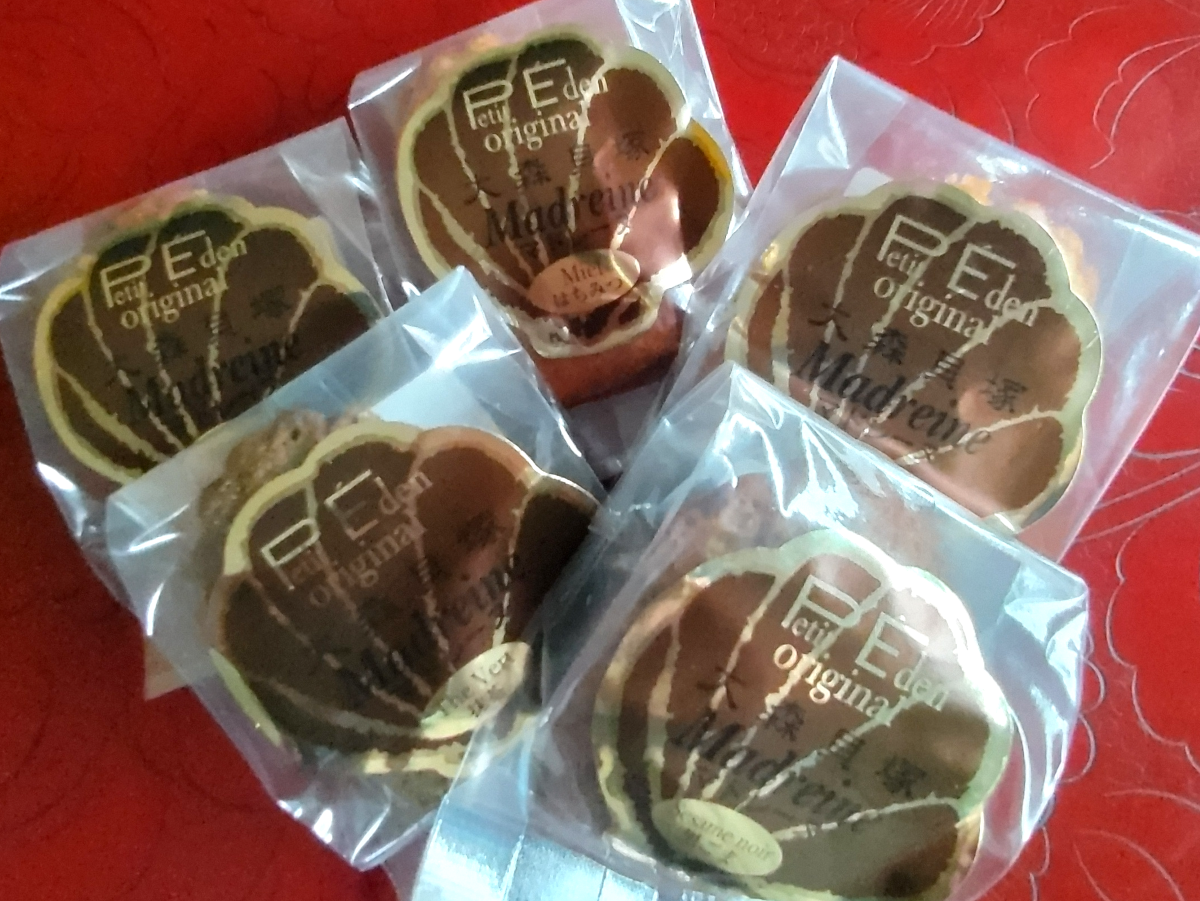
Each comes with a description of the “Ōtsuka Shell Mound”, making them a nice small souvenir.
The Ōmori Shell Mound Site Garden is a spot where you can easily experience Japan’s prehistoric era.
It’s easily accessible and free, so consider visiting it between other sightseeing activities.
Details
Ōmori Shell Mound Site Garden
Address: 6‑21‑6 Ōi, Shinagawa‑ku, Tokyo
Closed days: None
Website: https://www.city.shinagawa.tokyo.jp/jigyo/06/historyhp/pdf/kaizukaworksheet.pdf
Patisserie Petit Eden
Address: 2‑3‑15 Ōmori‑kita, Ota‑ku, Tokyo 15‑shita‑kawa Building 1F
Phone: 03‑5471‑6030
Closed days: Every Wednesday (may change for events or holidays)
Website: https://patisserie-petit-eden.jimdosite.com/